Sports guide
How Basketball Spacing Creates Passing Lanes
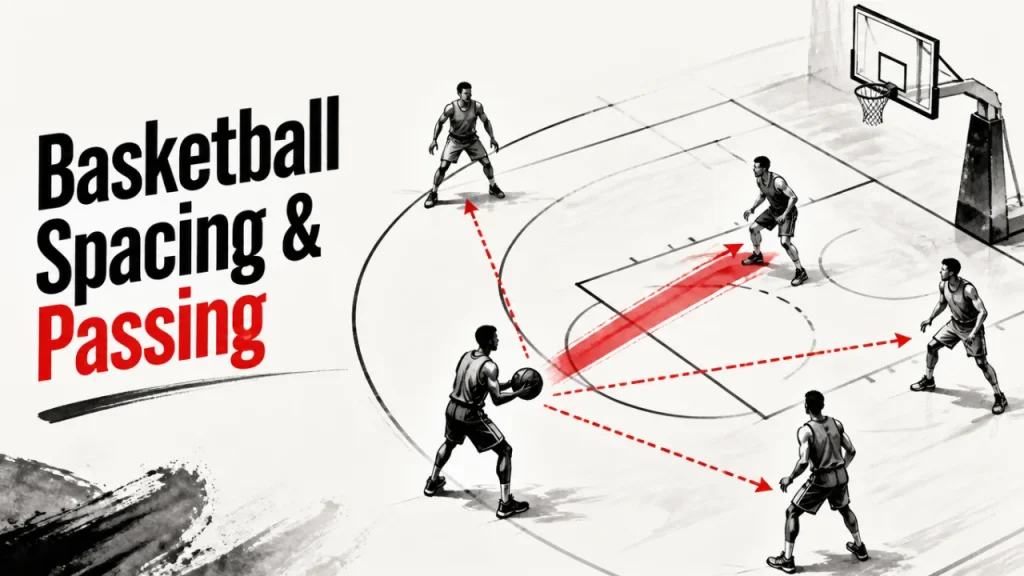
Effective basketball spacing is fundamental to a successful offense. It’s about how players position themselves on the court to create clear pathways for the ball, known as passing lanes. This strategic element is vital for teams looking to improve their ball movement, generate open shots, and exploit defensive weaknesses.
Understanding Basketball Spacing
Basketball spacing refers to the strategic positioning of offensive players without the ball, ensuring they are spread out across the court. Proper spacing prevents defenders from guarding multiple offensive players simultaneously, making it harder for the defense to collapse on the ball handler or deny passes. When players are too close together, defenders can easily clog the paint, disrupt passing lanes, and force turnovers. Conversely, good spacing forces defenders to spread out, creating gaps and opportunities.
Key Principles of Good Spacing
- Widen the Floor: Offensive players should aim to occupy areas near the sidelines and baseline, pulling defenders away from the congested middle.
- Maintain Proper Distance: Players should be far enough from each other to prevent one defender from guarding two offensive players, but close enough to be a viable passing option.
- Read the Defense: Spacing is dynamic. Players must constantly adjust their positions based on where the defenders are and where the ball is.
How Spacing Creates Passing Lanes
The primary benefit of good spacing is the creation of clear passing lanes. When offensive players are properly spread out, there are fewer defensive bodies between the ball handler and potential receivers. This makes passes safer and more accurate, reducing the risk of deflections or steals.
Off-Ball Movement and Cutting
Off-ball movement is intrinsically linked to spacing. When a player without the ball cuts into an open area created by good spacing, it generates a momentary passing lane that can lead to an easy score. For example, if a player on the wing drives towards the basket, teammates on the opposite side might drift towards the corner to maintain spacing, pulling their defenders with them. This action can open a ‘kick-out’ passing lane for the driving player if the defense collapses.
Dribble Penetration
Dribble penetration, where a ball handler drives aggressively towards the basket, is another powerful way to exploit good spacing. When a player drives, defenders are often forced to help, leaving other offensive players open. With proper spacing, the driving player has clear passing lanes to these open teammates. Imagine a player driving from the top of the key; if teammates are spaced out along the perimeter, the driver can pass to an open shooter if a defender steps up to stop the drive. This is often referred to as ‘dribble-drive and kick’ offense.
Open Options for Scoring
Spacing doesn’t just create passing lanes for assists; it also creates open options for scoring directly. If a defender is forced to guard an offensive player far from the basket, that defender cannot easily help on a drive or contest a shot in the paint. This allows the ball handler or a cutter to have a clearer path to the basket or a more open shot. Consider a hypothetical scenario where a post player receives the ball on the block. If perimeter players maintain wide spacing, their defenders cannot easily double-team the post player without leaving an open shooter. This gives the post player more room to operate and a clearer passing lane to an open teammate if the double-team does come.
Limitations and Defensive Adjustments
While crucial, spacing is not a foolproof strategy. Defenses constantly work to disrupt spacing by denying passes, overplaying passing lanes, or switching defenders. A well-executed defensive scheme can negate some of the advantages of good spacing. For instance, a defense might ‘pack the paint’ to prevent dribble penetration, even if it means giving up some perimeter shots. Effective offensive teams must therefore continuously adjust their spacing and movement to counter defensive tactics, ensuring passing lanes remain viable.
Ultimately, mastering basketball spacing is a continuous process of learning, reading the game, and communicating among teammates to maximize offensive potential and create those vital passing lanes.
AI-generated illustrative image. It does not depict a real match.